
How Lost Devices Increase Warehouse Costs and Reduce Efficiency
Mobile devices power modern warehouse operations. Handheld scanners, mobile computers, and tablets support inventory accuracy, order fulfillment speed, and workforce mobility.
But when those devices go missing, operations feel it immediately.
Lost and untracked devices create more than inconvenience. They disrupt workflows, slow productivity, and quietly increase warehouse mobility costs over time.
The Hidden Cost of Lost Devices
Lost devices rarely appear as a single large expense. Instead, the impact builds over time and often goes unnoticed.
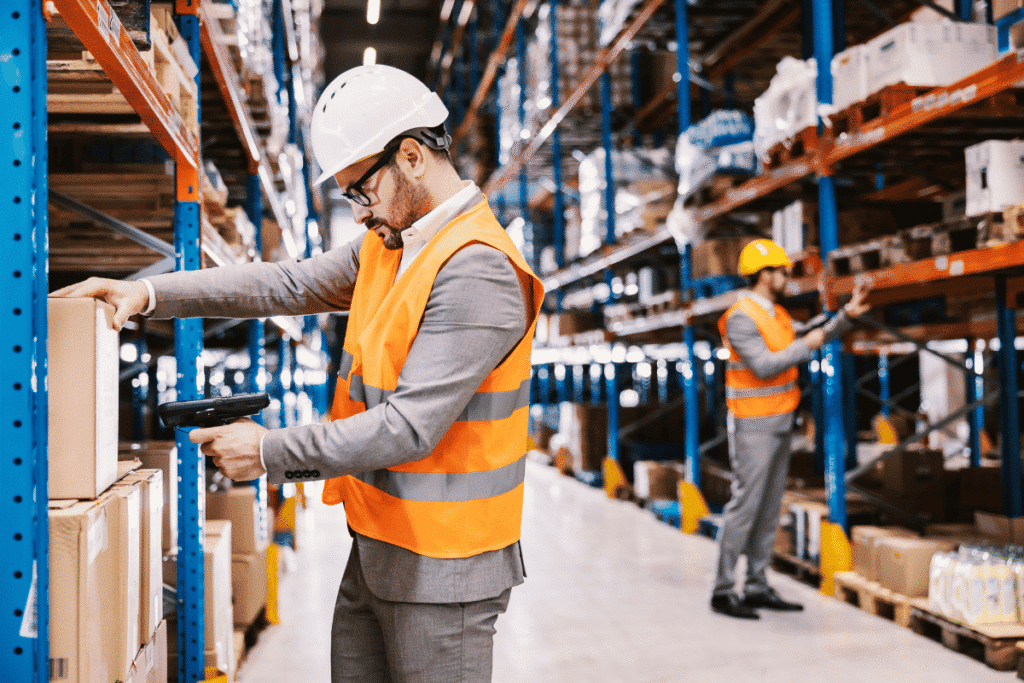
When a device goes missing, teams do not just replace hardware. Employees spend valuable time searching for equipment. Supervisors reassign resources to keep workflows moving. IT teams respond to avoidable support requests tied to missing devices.
What starts as a simple misplacement quickly turns into an operational disruption.
It’s Not Just About Replacement Costs
Replacement cost is only one part of the problem. The greater impact comes from lost time and workflow interruptions.
When workers cannot access devices, productivity drops immediately. Tasks slow down. Orders take longer to process. Bottlenecks form across operations.
Downtime becomes a hidden cost. Employees spend time searching for tools instead of completing tasks. Even small delays add up quickly in high-volume environments and directly affect throughput and service levels.
Multi-Shift Complexity Increases Risk
Most warehouses operate across multiple shifts, which makes device tracking more difficult.
Devices move between teams, departments, and physical locations throughout the day. Without a structured approach, devices end up at unmonitored charging stations, in inconsistent storage areas, or with undocumented handoffs between shifts.
Devices are often not truly lost. They are misplaced.
But without a way to quickly locate them, teams treat them as lost. This leads to unnecessary purchases while other devices sit unused elsewhere in the operation.
Why Traditional Tracking Methods Fall Short
Many organizations rely on manual logs or basic inventory systems to track devices. These methods cannot keep up with how quickly devices move.
When a device goes missing, there is no reliable way to locate it. Teams rely on guesswork, retracing steps, or physically searching the facility.
This delays recovery and extends downtime.
Without accurate, real-time tracking, even a temporarily misplaced device can result in hours of lost productivity or a premature replacement decision.
The Compounding Effect on Total Cost of Ownership
Lost and untracked devices affect more than daily operations. They increase the total cost of ownership over time.
Organizations replace devices that are not truly lost. Underutilized assets sit idle. Teams continue to lose time searching for equipment.
These issues and costs compound.
Costs increase, productivity declines, and mobility investments fail to deliver their full value.
Recovery Is the Missing Link
The ability to quickly locate and recover lost devices changes everything.
When organizations can identify where devices are and whether they are in use, idle, or offline, they reduce search time and avoid unnecessary replacements.
Visibility plays a critical role here. It enables faster recovery and gives teams the information they need to act immediately.
Instead of assuming a device is lost, teams locate and recover it, keeping operations moving.
Take the Next Step
What happens in your operation when lost devices are no longer written off, but quickly located and returned to use?
Organizations that improve device recovery see measurable results. In one case, a company saved more than $1.9 million through improved recovery, increased efficiency, and reduced replacement costs.
Schedule a free demo with an enterprise mobility expert at SMG3 to learn more
Keep Your Freight Moving with SMG3
If you scan barcodes with mobile devices, you'll love SMG3 EDGE.
Schedule a Needs Assessment Consultation today to learn how SMG3 EDGE and our additional, expert professional service offerings give transportation businesses more from their mobile technology while enhancing connectivity, information-sharing, and supply chain visibility.