
Improve ROI with Effective Device Lifecycle Management Strategies
Organizations expand across warehouses, distribution centers, and field locations. Operations grow more complex with each new site. What works in one facility rarely scales across a distributed environment. Differences in devices, workflows, and systems create gaps in performance, visibility, and efficiency.
This is the growing mobility challenge for decentralized teams. Solving it requires more than adding technology. It requires a unified approach to integrating warehouse technology.
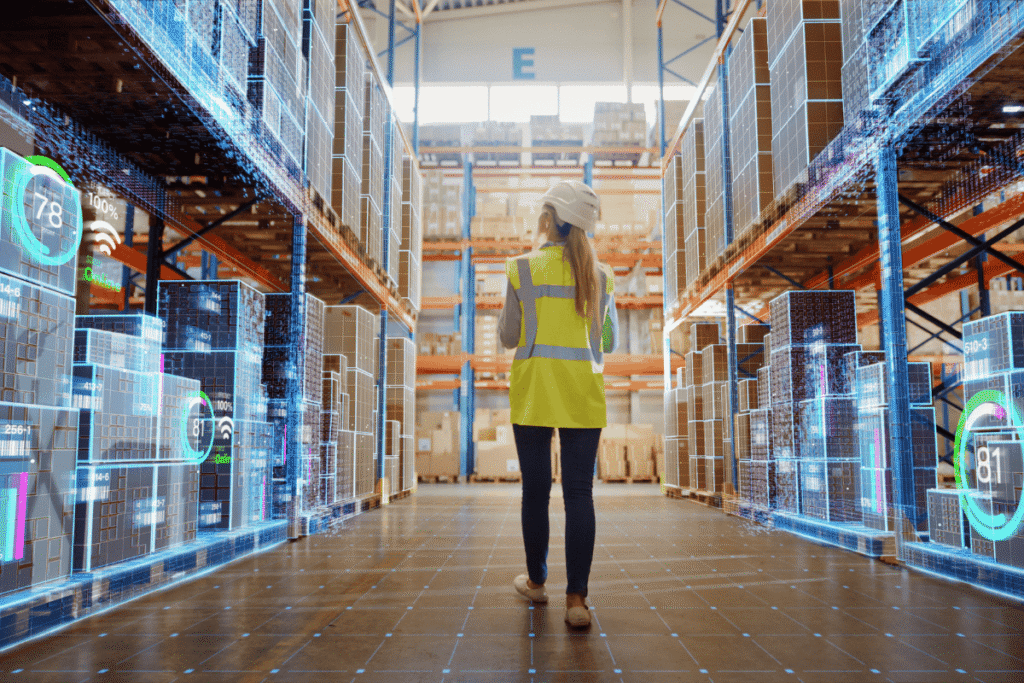
The Growing Complexity of Distributed Operations
Growth introduces variability. Each location often operates with different processes, device types, and technology standards. Over time, these differences create misalignment across the organization.
- Inconsistent workflows between sites
- Different device configurations across teams
- Uneven performance across locations
- Limited visibility into daily operations
As complexity increases, performance becomes harder to manage. Without integration, small inefficiencies expand across the entire Environment.
Defining the Mobility Challenge
Managing mobility across multiple locations places pressure on both IT and operations. Teams must support a growing number of devices, users, and workflows without consistent processes.
Support requests increase. Troubleshooting slows down. User experiences vary from one site to another. These issues often appear as isolated problems, but they point to a larger challenge: a lack of alignment across systems and workflows.
This mobility challenge affects more than day-to-day operations. It limits an organization’s ability to scale efficiently and respond to change.
Why Warehouse Technology Integration Matters
Warehouse technology integration connects devices, systems, and workflows into one coordinated strategy. It creates alignment across locations while maintaining the flexibility each site requires.
- Standardized workflows with room for site-specific needs
- Real-time data flow between operations and leadership
- Reduced silos between IT and operational teams
- Consistent performance across all locations
Integration shifts operations from disconnected processes to a unified, controlled environment.
The Role of Centralized Visibility
Visibility enables control. Without it, decision-making relies on incomplete or delayed information.
Centralized insight provides a clear understanding of how devices and workflows perform across locations. Leaders can identify inefficiencies, compare site performance, and address issues before they impact productivity.
The SMG3 EDGE delivers this level of visibility through a single, unified view of the mobile Environment. Teams gain the ability to act quickly and confidently, supported by real-time data.
Standardization Without Sacrificing Flexibility
Consistency drives efficiency, but rigid systems limit adoption. A successful strategy balances both.
Organizations need standardized deployment, management, and support processes that still allow for operational differences between sites. This approach simplifies onboarding, reduces training complexity, and supports long-term scalability.
Flexibility ensures teams can work effectively. Standardization ensures they work consistently.
Operational Impact Across the Organization
Integrated environments produce measurable improvements across the business.
- Higher productivity through consistent tools and workflows
- Reduced downtime with better visibility and support
- Lower costs through streamlined management
- Stronger collaboration across distributed teams
These gains extend beyond individual sites. They strengthen performance across the entire Environment.
Why Strategy Is Critical for Distribution Success
Growth amplifies inefficiencies when systems remain disconnected. Each new location adds complexity. Without a unified strategy, performance gaps widen, and responsiveness slows.
SMG3 helps organizations solve the mobility challenge through integrated solutions, lifecycle management, and ongoing support. This approach connects technology, data, and operations into a scalable mobility strategy built for multi-location environments.
Start Building a More Connected Operation
Expansion increases both opportunity and complexity. Alignment becomes essential.
How consistent are workflows across your locations today?
What visibility exists into performance across sites?
Where do integration gaps create friction?
SMG3 helps unify warehouse technology integration, delivering a connected mobility strategy that supports long-term performance across your Environment.
If you are evaluating how to improve consistency, visibility, and performance across your locations, SMG3 can help. Schedule a free demo and needs assessment to explore the next step in your mobility strategy.







Keep Your Freight Moving with SMG3
If you scan barcodes with mobile devices, you'll love SMG3 EDGE.
Schedule a Needs Assessment Consultation today to learn how SMG3 EDGE and our additional, expert professional service offerings give transportation businesses more from their mobile technology while enhancing connectivity, information-sharing, and supply chain visibility.